A burst pipe Toronto homeowners discover in the middle of winter is a true emergency. Water can spread through floors, walls, and ceilings in minutes. As a result, what you do in the first 24 hours largely decides how much damage your home suffers.
Toronto’s freeze-thaw swings make this a common problem. Pipes freeze, expand, and crack, and the water often doesn’t pour out until temperatures rise. In this guide, we’ll walk through the first hour, the first day, and the insurance and mold risks that follow.
At Desa Contracting & Restoration, our team responds 24/7 to burst pipe emergencies across the GTA. Below, we share the exact steps we recommend to every homeowner.
Understanding why pipes burst in winter helps you spot the warning signs. It also explains why the damage is often worse than it first appears.
When water freezes, it expands. That expansion creates intense pressure between the ice blockage and the closed faucet. Eventually, the pipe splits, often at a spot you can’t see.
Toronto winters rarely stay consistently cold. Instead, temperatures rise and fall, which stresses pipes repeatedly. Older homes with aging plumbing and poorly insulated exterior walls are especially vulnerable.
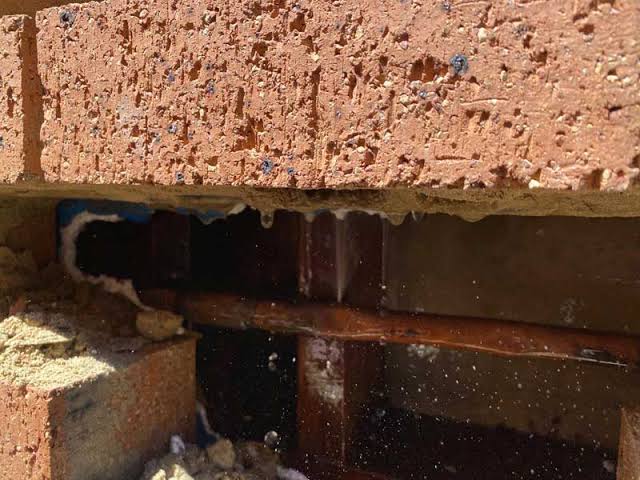
A burst pipe in a basement in winter is the most common scenario, because basement pipes run close to cold foundation walls. However, a burst pipe in a wall or ceiling can be harder to catch. In those cases, water may spread out of sight for hours.
For prevention tips before the next cold snap, read our guide on avoiding frozen pipes and water damage.
Desa Contracting & Restoration provides 24/7 emergency response across Toronto and the GTA.
If you’re wondering what to do when a pipe bursts in your house, speed matters most. Is a burst pipe an emergency? Yes. Follow these steps in order.
First, find your main shutoff valve. In most Toronto homes, it sits near the water meter, often in the basement. Turn it fully clockwise. This is the fastest way to stop a burst pipe from flooding more of your home.
Next, cut power to any wet area, but only if you can reach the panel without standing in water. Water and electricity create a serious shock risk. If the panel itself is wet, stay out and call an electrician or emergency services.
Then, move furniture, electronics, and documents to a dry area. Use towels or a wet vacuum for small amounts of standing water. Meanwhile, open faucets to drain remaining water from the lines.
Finally, leave the house if water is near outlets, ceilings are sagging, or you notice a gas smell. Your safety always comes before your belongings.
Our certified team is ready to stop the damage and start the recovery.
Once the water is off and you’re safe, your next priority is protecting your insurance claim and getting the right help.
Before anything is moved or cleaned, document everything. Here’s what to capture:
Many homeowners ask whether to call a plumber or a restoration company first. The answer is both, but for different jobs. A plumber repairs the broken pipe. A restoration company removes the water, dries the structure, and prevents mold.
Emergency water extraction in Toronto uses industrial pumps and vacuums to remove standing water fast. The sooner this happens, the less water soaks into drywall and subflooring. Our guide on how fast you should act after water damage explains why the first hours matter so much.
After the visible water is gone, hidden moisture remains. This stage is where many DIY efforts fall short.
Water travels along framing, wicks up drywall, and seeps under flooring. Consequently, a burst pipe can cause far more damage than the visible puddle suggests.
Professional structural drying often takes several days. Air movers and dehumidifiers pull moisture from materials, while moisture meters confirm when it’s safe to rebuild. Skipping this step is one of the most common causes of long-term problems.
Can a burst pipe cause mold? Yes. Mold can start growing within 24 to 48 hours in damp materials. That’s why fast, thorough drying is essential after any burst pipe restoration.
Our certified team provides full water damage restoration services, including extraction, structural drying, and moisture monitoring, so problems are fixed at the source.
In many cases, yes. However, coverage depends on the cause and how quickly you act.
Most Ontario home insurance policies cover sudden and accidental water damage, including a burst pipe. This is why a burst pipe insurance claim in Ontario is often approved when documentation is strong.
On the other hand, insurers may deny a claim if the damage came from neglect. For example, leaving a home unheated during a cold snap can raise questions. Always check your policy for specific conditions.
To keep your claim on track, follow these burst pipe water damage claim steps:
Burst pipe cleanup in Toronto varies widely, so it’s hard to quote a number without an inspection. Instead, these factors usually drive the final cost:
For a broader look at pricing, see our breakdown of how much water damage restoration costs in Toronto. Notably, acting quickly almost always lowers the total cost.
When you call Desa Contracting & Restoration, we dispatch a certified crew right away. As an emergency water damage restoration company in Toronto, we follow a clear process:
We serve homeowners across Toronto and the GTA, so help is never far away. If you’re searching for a water damage company near you, our team is ready to respond day or night.
Shut off the main water supply, turn off power to wet areas if it's safe, move belongings to a dry area, and document the damage. Then call a restoration company for water extraction and a plumber for the pipe repair.
Yes. A burst pipe can release large amounts of water quickly, damaging floors, walls, and electrical systems. Acting within the first hours limits damage and reduces the risk of mold.
Usually, yes. Most Ontario policies cover sudden and accidental burst pipe damage. Claims may be denied for gradual leaks or neglect, so document everything and review your policy.
Yes. Mold can begin growing within 24 to 48 hours in damp materials. Fast water extraction and professional drying greatly reduce the risk.
Structural drying typically takes several days, depending on how far the water spread and which materials were affected. Moisture meters confirm when drying is complete.
Every hour a burst pipe goes untreated, the damage grows. Desa Contracting & Restoration provides 24/7 emergency response, certified water extraction, and documentation that supports your insurance claim. Contact Desa Contracting & Restoration now and let our team take it from here.
A professional, documented sewage backup assessment from DESA Contracting & Restoration supports your insurance claim from day one.
Aurora, Bolton, Barrie, Brampton, Burlington, Caledon, Durham, East York, Etobicoke, Georgetown, Halton, King, Markham, Milton, Mississauga, North York, Oakville, Orangeville, Peel, Pickering, Richmond Hill, Scarborough, Thornhill, Toronto, Uxbridge, Vaughan and more.