
Water damage can strike unexpectedly in any home or business. From burst pipes and leaking appliances to sewage backups or flooding from heavy rain, the effects can be devastating. For property owners in Toronto, understanding how Toronto water damage restoration services work is essential to mitigate damage, reduce costs, and restore your property safely.
In this comprehensive guide, we’ll explain the step-by-step restoration process, the techniques used by certified professionals, and actionable tips for homeowners and property managers to ensure effective water damage recovery.
When water damage occurs, the first step is to hire a certified restoration company for emergency water cleanup in Toronto. The team will perform a thorough water damage assessment in the GTA, inspecting affected areas to identify the source of water and the extent of structural and material damage. This water damage inspection in Toronto includes checking walls, flooring, insulation, and ceilings to determine the category of water:
A detailed assessment ensures a customized restoration plan, accurate cost estimates, and proper documentation for insurance claims, ultimately facilitating a seamless process.
After the assessment, certified professionals begin water removal in Toronto immediately. Prompt extraction is crucial because prolonged water exposure can:
Experts use industrial pumps and wet/dry vacuums for fast and efficient water extraction. Removing standing water quickly reduces damage, restoration costs, and the risk of secondary issues.
If mold has already developed, our certified mold remediation team can safely remove and treat affected areas.
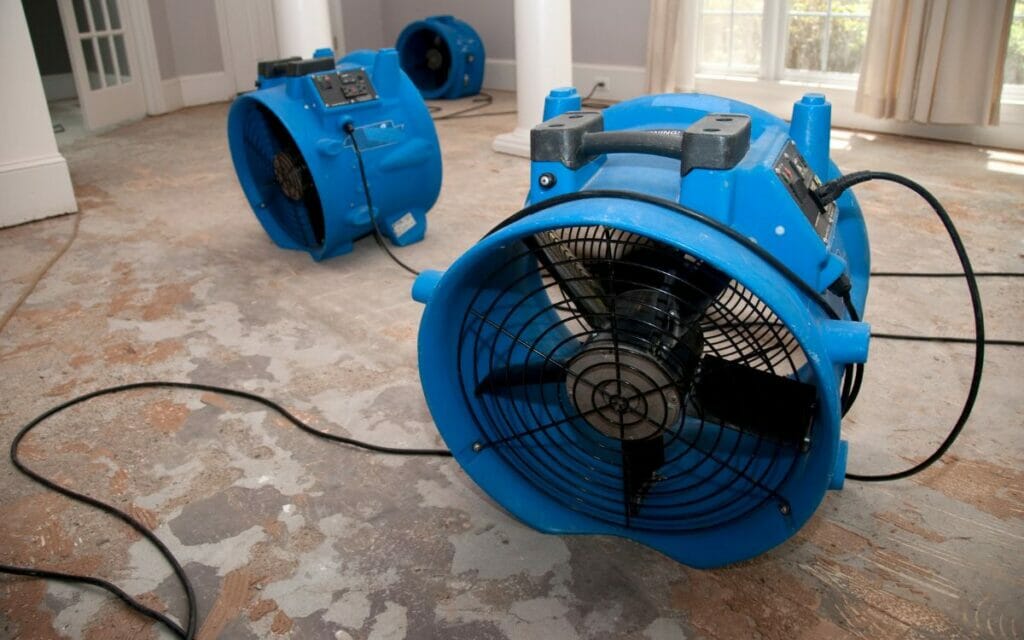
Even after extraction, water can remain trapped in subfloors, walls, and insulation. The structural drying process in Toronto involves:
Thorough drying prevents secondary damage and mold growth, ensuring a long-lasting restoration.
Depending on the water category, technicians perform water damage cleaning in Toronto to eliminate contaminants.
Sanitization protects both the structure and occupants while salvaging materials whenever possible.
Mold can develop within 24–48 hours after water damage if moisture isn’t entirely removed. Certified technicians perform mold remediation services in Toronto by:
Early mold intervention reduces long-term repair costs and protects the health of residents or tenants.
Some materials cannot be restored and require careful removal, including:
Certified technicians document all removals for insurance purposes. Repairs may also begin, such as:
This step prepares the property for final reconstruction.
The final step is returning your property to its pre-damage condition, also called full restoration. Services may include:
Many Toronto water damage restoration services provide full-service restoration, managing everything from emergency response to final reconstruction for a seamless experience.
Before the restoration team arrives, there are actionable steps homeowners and property managers can take to reduce damage and streamline restoration:
1. Turn Off the Electricity and Gas
Water and electricity are a dangerous combination. If your home is flooded:
Never enter flooded areas while electricity is live.
2. Stop the Source of Water
Stopping water flow can prevent further damage:
3. Remove Valuable Items and Important Documents
Protect furniture, electronics, and papers by relocating them to higher ground or placing them in waterproof containers. This also helps with insurance documentation.
4. Limit Movement in Affected Areas
Walking on wet floors spreads water and can damage flooring. Keep people and pets out of affected areas.
5. Document Everything for Insurance Claims
Take photos, record time and date, and note mitigation steps. Restoration companies use this for insurance support.
6. Communicate with Your Restoration Company
Share details about affected areas, water source, and concerns. Early communication ensures the team arrives fully prepared.
7. Safety Considerations
Avoid electrical appliances in wet areas, watch for slippery floors, and be aware of weakened structures.
Hiring an IICRC-certified restoration company ensures:
Uncertified services risk incomplete drying, mold growth, and insurance issues, costing more in the long term.
Drying typically takes 2–5 days, while repairs and reconstruction may take 1–3 weeks, depending on the severity.
Most policies cover sudden water damage, such as burst pipes or appliance leaks. Long-term leaks or floods may require additional coverage.
If moisture is not completely removed, mold may grow. Certified technicians monitor humidity and ensure thorough drying.
Call immediately after discovering water damage. Quick action prevents structural issues and reduces costs.
Minor repairs are usually safe to leave in place. Severe flooding or black water contamination may require temporary relocation.
If your home or business has suffered water damage, don’t wait—every minute increases the risk of structural issues and mold growth. At Desa Contracting, our certified Toronto restoration experts respond fast with advanced equipment, proven techniques, and complete start-to-finish restoration services. Whether you’re dealing with a flooded basement, burst pipe, sewage backup, or hidden moisture, we’re here 24/7 to restore your property safely and efficiently.
Get immediate help or request a fast on-site assessment today.
Trust the professionals Toronto homeowners rely on—let Desa Contracting restore your property to its pre-damage condition quickly and with care.
Aurora, Bolton, Barrie, Brampton, Burlington, Caledon, Durham, East York, Etobicoke, Georgetown, Halton, King, Markham, Milton, Mississauga, North York, Oakville, Orangeville, Peel, Pickering, Richmond Hill, Scarborough, Thornhill, Toronto, Uxbridge, Vaughan and more.