A sewage backup is one of the most alarming calls we get at DESA Contracting & Restoration — and one of the most misunderstood. Unlike a clean water leak, sewage backup in Toronto homes brings contaminated water into direct contact with your floors, walls, and belongings, which means the risks go far beyond property damage.
Sewage backups happen more often across Toronto than most homeowners realize, especially in older neighborhoods with aging pipes and during heavy rain events that overwhelm the municipal sewer system. Whether the cause is a clogged line, a tree root, or a citywide storm surge, the way you respond in the first few hours matters.
In this guide, we’ll walk through what causes sewage backup, why it’s dangerous, what the professional cleanup process looks like, what it costs, and whether your home insurance will cover it.
Understanding what causes sewage backup is the first step in preventing it. In our experience responding to calls across the city, most incidents trace back to one of four sources.
A clogged sewer line is the most common cause we see. Grease, wipes, hair, and other debris build up over time until wastewater has nowhere to go but back up through your drains — often starting with the lowest drain in the house, usually a basement floor drain or laundry tub.
Tree root sewer line damage is especially common in Toronto’s older, tree-lined neighborhoods. Roots are drawn to the moisture inside sewer lines and can grow into small cracks or joints, eventually blocking the pipe entirely or causing it to collapse.
Heavy rain sewer backup events are becoming more frequent as Toronto experiences more intense storms. In parts of the city with a combined sewer overflow Toronto system — where stormwater and sewage share the same pipes — a heavy downpour can overwhelm capacity and push wastewater back into homes through basement drains.
Many of Toronto’s older neighborhoods still rely on aging sewer pipes Toronto crews have flagged for replacement for years. Clay and cast-iron pipes installed decades ago are more prone to cracking, shifting, and collapsing than modern materials, making backups more likely the older a property’s plumbing infrastructure is.
DESA Contracting responds 24/7 to sewage backup emergencies across Toronto with certified, documented assessments.
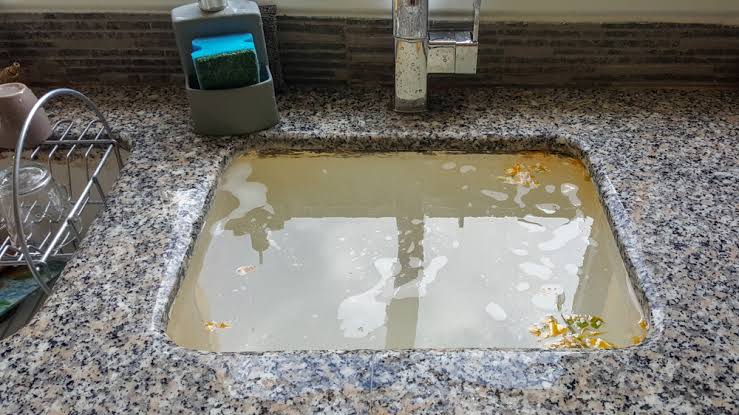
Sewage backup health risks go well beyond the smell and mess. This is contaminated water, and treating it like an ordinary spill can put your health at risk.
Sewage backup is classified as category 3 water damage, also known as black water contamination. Unlike clean water (Category 1) or lightly contaminated water (Category 2), black water contains raw sewage and requires specialized handling, protective equipment, and disposal procedures.
Bacteria and pathogens in sewage — including E. coli, salmonella, and various viruses and parasites — can survive on surfaces and in porous materials like drywall and carpet long after the water itself has been removed.
Sewage exposure symptoms can include gastrointestinal illness, skin and eye irritation, and respiratory issues, especially for children, seniors, and anyone with a compromised immune system. If you’re asking, can sewage backup make you sick — the answer is yes, which is exactly why we recommend against DIY cleanup for anything beyond a very minor, contained incident.
Left untreated, sewage moisture creates ideal conditions for mold growth within 24 to 48 hours, compounding contamination with a second hazard. If you’re dealing with visible mold following a backup, our guide on The Importance of Proper Containment During Mold Remediation covers how our team isolates affected areas to stop it from spreading further.
If you’re wondering what to do if sewage backs up in basement, here is the order that protects your health and your property:
This is not a situation for a mop and a bottle of disinfectant. As we cover in Should You DIY Water Damage Restoration?, black water incidents like sewage backup are one of the clearest cases where professional cleanup isn’t optional — it’s a health necessity.
Our certified team can assess contamination level and recommend the right next step for your home.
Our sewage cleanup process follows IICRC-certified protocols designed to fully remove contamination, not just visible mess.
We assess the extent of the backup, identify the contamination category, and determine which materials can be salvaged versus which need to be removed.
Industrial extraction equipment removes standing sewage water and waste material as quickly as possible to limit how far contamination spreads.
Every affected surface is cleaned and treated with hospital-grade disinfectants to eliminate bacteria, viruses, and other pathogens left behind.
Commercial air movers and dehumidifiers dry the space completely, since any remaining moisture creates the conditions for mold growth.
Specialized odor treatment addresses smells that regular cleaning can’t reach, and our team completes any repairs needed to restore the space. This full basement sewage backup Toronto process is designed to make the space safe to use again, not just look clean.
Sewage backup cleanup cost Toronto homeowners typically pay depends on several factors:
Costs generally run higher than a standard clean-water flood because of the extra sanitization and disposal steps involved. For a broader breakdown of pricing factors across water damage types, see our guide: How Much Does Water Damage Restoration Cost in Toronto?
This is one of the most common questions we hear, and unfortunately the answer isn’t always straightforward. Does insurance cover sewage backup? In many cases, standard Ontario home insurance policies exclude sewer backup damage unless you’ve added a specific sewer backup rider or endorsement.
If you do have sewer backup coverage home insurance included, your provider will typically want documentation: photos, video, and often a professional assessment report confirming the cause and extent of damage. For a full breakdown of what’s typically covered and how to navigate a claim, see our Home Insurance Water Damage Toronto Coverage Guide.
Not every contractor is equipped to handle Category 3 water damage safely. When searching for a sewage backup company near me, look for a provider that is IICRC-certified, licensed and insured, and available for emergency sewage cleanup Toronto-wide, 24 hours a day. A qualified Toronto sewer backup restoration company will document contamination levels properly from the start — which matters both for your health and for your insurance claim.
DESA Contracting has responded to sewage backup emergencies across Toronto, and our team is available around the clock when you need help fast.
Yes. Sewage backup is classified as Category 3 black water, which contains bacteria, viruses, and other pathogens that can cause illness. It should always be treated as a health hazard, not just property damage.
Timelines vary based on the size of the affected area and contamination level, but most sewage backup cleanups take anywhere from a few days to about a week, including extraction, sanitizing, and drying time.
Only if your policy includes sewer backup coverage, which is often a separate add-on rather than standard coverage. Check your policy or ask your provider before an emergency happens.
We don't recommend it. Sewage contains harmful bacteria and pathogens that require protective equipment and professional-grade disinfection to remove safely — DIY cleanup often leaves contamination behind.
Shut off the water source if safe to do so, avoid contact with the contaminated water, ventilate the area, and call a certified restoration professional rather than attempting cleanup yourself.
Sewage backup in Toronto homes is more than an inconvenience — it’s a health hazard that calls for fast, professional action. Knowing the common causes, understanding the real dangers of black water contamination, and having a plan for the first few minutes after a backup can make a significant difference in how much damage your home ultimately sustains.
If you’re dealing with a sewage backup right now, don’t wait and don’t attempt to handle it alone. DESA Contracting’s certified team is available 24/7 across Toronto to provide fast extraction, safe sanitization, and documentation that supports your insurance claim from start to finish.
A professional, documented sewage backup assessment from DESA Contracting supports your insurance claim from day one.
Aurora, Bolton, Barrie, Brampton, Burlington, Caledon, Durham, East York, Etobicoke, Georgetown, Halton, King, Markham, Milton, Mississauga, North York, Oakville, Orangeville, Peel, Pickering, Richmond Hill, Scarborough, Thornhill, Toronto, Uxbridge, Vaughan and more.