
Basement flooding is one of the most stressful situations a homeowner can face. In Toronto, heavy rainstorms, burst pipes, sump pump failure, and sewage backup are common causes of flooded basements. When water enters your basement, acting quickly is critical to prevent structural damage, mold growth, and expensive repairs.
At DESA Contracting & Restoration, we help Toronto homeowners recover from basement flooding with professional water damage restoration and emergency flood cleanup services. In this guide, we explain the exact steps you should take immediately after discovering a flooded basement in Toronto.
Basement flooding in Toronto happens more often than many homeowners expect. The city’s climate, aging infrastructure, and seasonal weather conditions all increase the risk of water entering basements. Understanding the most common causes can help homeowners react faster and prevent future flooding incidents.
For example, heavy rainfall and melting snow frequently overwhelm drainage systems. In addition, sump pump failure can cause water to accumulate quickly in a basement. Other common causes include burst pipes, sewer backups, and poor basement waterproofing.
Some of the most frequent causes of basement flooding in Toronto homes include:
When any of these problems occur, immediate action is essential to reduce basement water damage.
Before you rush into your flooded basement, safety must come first. Water damage can create hidden hazards such as electrical risks, contaminated water, or structural instability. Therefore, it is important to assess the situation carefully.
If standing water is present, avoid entering the basement until electricity to that area is turned off. Electrical outlets or appliances submerged in water can pose a serious danger. Additionally, if the flood involves sewage backup, the water may contain harmful bacteria.
Safety precautions include:
Once the area is safe, you can begin addressing the flooded basement cleanup process.
After ensuring safety, the next step is identifying where the water is coming from. Stopping the source of flooding will prevent the problem from getting worse. This step is crucial before attempting water removal.
For instance, if a burst pipe caused the basement flood, shutting off the main water supply immediately can stop further water flow. On the other hand, if heavy rain causes flooding, you may need to check exterior drainage systems or sump pumps.
Common water sources to check include:
If you cannot locate the source, contacting a water damage restoration company in Toronto can help identify the issue quickly.
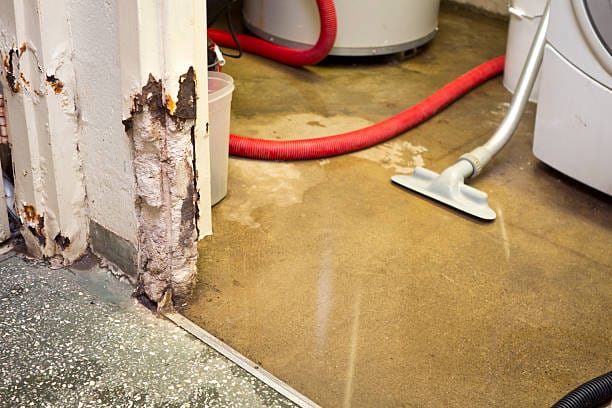
Once the water source has been controlled, the next priority is removing standing water. The longer water sits in a basement, the more damage it can cause to flooring, drywall, and structural materials.
Standing water can also seep into porous materials such as wood, insulation, and carpeting. This creates an ideal environment for mold growth after flooding.
Some homeowners attempt to remove water using pumps or wet vacuums. However, large basement floods often require professional water extraction equipment.
Professional flood cleanup services typically use:
Quick water removal helps reduce the risk of hidden water damage behind walls.
After water removal, the drying process must begin immediately. Even small amounts of leftover moisture can cause serious long-term problems. Moisture trapped in walls, flooring, and insulation often leads to mold growth within 24–48 hours.
Proper structural drying requires specialized equipment. Industrial air movers and dehumidifiers are typically used during water damage restoration in Toronto.
The drying process usually includes:
This stage ensures your basement is completely dry and prevents hidden mold contamination.
If you want to learn more about this process, you can also read our guide on How Toronto Water Damage Restoration Services Work: Step-by-Step Process Explained.
Many homeowners underestimate how much damage water can cause inside a home. Even after visible water is removed, hidden moisture may remain behind walls or under flooring. Over time, this can lead to mold growth, structural deterioration, and indoor air quality issues.
Professional restoration companies use specialized tools to detect moisture in areas that are not visible. At DESA Contracting & Restoration, we provide emergency basement flood cleanup in Toronto and complete water damage restoration services.
Our team can assist with:
Hiring professionals ensures that the problem is addressed thoroughly and safely.
While basement flooding cannot always be prevented, there are steps homeowners can take to reduce the risk. Preventive maintenance plays an important role in protecting your property from future water damage.
Many Toronto homes experience flooding due to aging drainage systems or poor waterproofing. However, proactive solutions can significantly lower the chances of water entering your basement.
Prevention tips include:
Regular inspections can help detect potential problems before they become major disasters.
You should respond immediately to water damage. Within hours, water can soak into walls, flooring, and insulation. Mold can begin growing within 24–48 hours. Fast action, including water extraction and drying, helps prevent severe structural damage and reduces overall restoration costs.
Yes, emergency water damage cleanup is necessary. Water spreads quickly and can cause hidden damage behind walls and under flooring. Immediate professional cleanup prevents mold growth, structural issues, and costly repairs, especially in Toronto homes prone to flooding and plumbing issues.
If water damage is not treated quickly, it can lead to mold growth, structural weakening, and indoor air quality issues. Moisture trapped in materials worsens over time, increasing repair costs and health risks. Delayed cleanup often requires more extensive restoration work.
Mold can start growing within 24 to 48 hours after water exposure. Warm and humid conditions speed up this process. Immediate drying and dehumidification are essential to prevent mold contamination and protect your property from long-term damage
You should call a professional water damage restoration company in Toronto that offers 24/7 emergency services. Experts can quickly assess the damage, remove water, and begin structural drying to prevent further issues like mold growth and property damage.
A basement flood can cause serious damage if not handled quickly. Acting immediately can help prevent structural problems, mold growth, and expensive repairs. However, professional restoration is often necessary to fully eliminate hidden moisture and restore your home safely.
At DESA Contracting & Restoration, we provide reliable water damage restoration in Toronto, emergency flood cleanup, and complete property restoration services. Our experienced team responds quickly to help homeowners recover from basement flooding and protect their property from further damage.
If your home has experienced a flooded basement in Toronto, contact DESA Contracting & Restoration today to schedule an inspection or request emergency restoration services. Our experts are ready to restore your home and give you peace of mind.
Aurora, Bolton, Barrie, Brampton, Burlington, Caledon, Durham, East York, Etobicoke, Georgetown, Halton, King, Markham, Milton, Mississauga, North York, Oakville, Orangeville, Peel, Pickering, Richmond Hill, Scarborough, Thornhill, Toronto, Uxbridge, Vaughan and more.